A small business used to need a card reader, a receipt printer, and a basic merchant account. That was enough for years. Customers stood at the counter, swiped a card, and left with a paper receipt.
That world has not vanished, but it is no longer the whole picture.
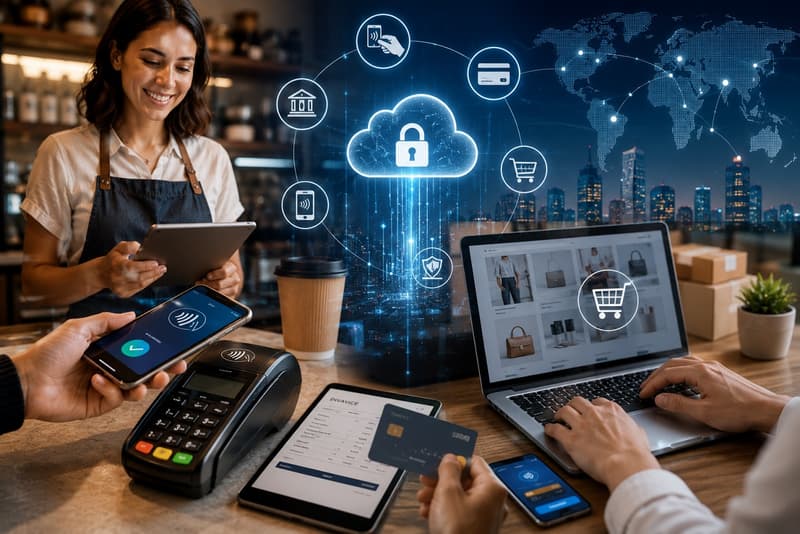
A customer might tap a phone at a weekend market, pay an invoice via text message, buy from a website at midnight, or save a card for a monthly service. The same person may expect all of those options from a local business, not just a national retailer.
For business owners, that changes the job of payment processing. It is not just a way to collect money. It affects cash flow, customer trust, chargebacks, staff time, and the overall buying experience.
The New Payment Expectation Is Simple: Make It Easy
Most customers do not think about payment systems. They only notice when checkout feels awkward.
A slow terminal, a confusing invoice, or a payment page that looks outdated can make a buyer hesitate. A missing tap-to-pay option may not seem like a big deal to the business, yet to the customer it can feel like extra work.
That is why small-business credit card processing has shifted from a back-office decision to a front-line customer-experience choice. The best setup lets people pay in the way that fits the moment, whether they are standing in a shop, booking a service, or clicking through from an email.
This does not mean every small business needs every payment option. A food truck, a home repair company, an online boutique, and a medical spa all have different needs. The point is to match payment tools to the way customers already buy.
For many businesses, the practical mix now includes card payments, digital wallets, online checkout, payment links, and recurring billing. The more those options work together, the easier it is to track sales and reduce follow-up.
Digital payment habits also keep spreading. One 2025 global payments report found that digital payments rose from 34% of ecommerce value in 2014 to 66% in 2024, while digital payments at physical checkout rose from 3% to 38% over the same period. That shift shows why small businesses can no longer treat digital checkout as an extra feature. It is part of the normal buying process.
Security Is Now Part of the Customer Experience
People want fast checkout, but they also want to feel safe. That balance matters more in 2026.
Small businesses handle sensitive payment data even when they never see the full card number. A payment page, terminal, invoice link, or saved-card feature can pose a risk when not managed well. For owners, the goal is to reduce the amount of sensitive data that touches the business in the first place.
Card security standards have also tightened. PCI DSS v4.0.1 is now the active standard, and requirements that were once future-dated became mandatory after March 31, 2025. For many small businesses, the most practical takeaway is to treat payment security as an ongoing process rather than a once-a-year task.
That does not mean business owners need to become security experts. It does mean they should ask better questions.
Who can access the payment dashboard? Are passwords and user permissions managed well? Does the checkout page use approved tools? Are payment links coming from a trusted system? Is card data being stored securely, or should tokenization handle it instead?
These questions may sound technical, but they tie back to customer trust. A secure payment flow can feel smooth and ordinary. An unsafe one can become a painful problem long after the sale.
Fraud prevention also needs balance. Too many barriers can frustrate honest customers. Too few controls can invite disputes and bad transactions. A useful processing setup should help spot risky patterns without making every customer feel like a suspect.
What Small Businesses Should Look For Next
The best payment system in 2026 is not always the one with the longest feature list. It is the one that fits the business without adding daily headaches.
Start with checkout. Customers should be able to pay quickly, see clear totals, and receive a receipt without confusion. Online payment pages should feel current and easy to follow. In-person tools should support common card and wallet habits.
Then look at visibility. Owners should be able to see what was paid, what failed, what was refunded, and when money is expected to settle. If that information is buried in a hard-to-read statement, the system is not doing enough.
Fees deserve the same clear view. A low advertised rate can become less useful when extra costs show up later. Monthly fees, chargeback fees, gateway fees, hardware costs, and transaction pricing all matter. A small difference can become meaningful when margins are tight.
Support matters too. When a terminal stops working before a busy lunch rush or an online payment fails during a sale, quick help is not a bonus. It is part of the product. Small businesses should know what support looks like before there is a problem.
Growth is the last piece. A business may start with one location, then add subscriptions, events, online orders, or higher-ticket services. Payment tools should be able to grow with those changes. Rebuilding the entire setup every time the business adds a new sales channel creates unnecessary work for owners.
The Businesses That Win Will Make Paying Feel Effortless
Payment processing has become part of how customers judge a business. A smooth payment experience can make a small company feel organized, modern, and trustworthy. A clunky one can create doubt at the worst possible moment, right before the sale is complete.
In 2026, small businesses do not need to chase every new payment trend. They need a clear setup that supports how their customers already behave. That means flexible checkout, simple reporting, stronger security, and fewer surprises around fees or settlement.
The next stage in small-business credit card processing is not flashy. It is practical. Customers get a faster way to pay. Owners get better control over cash flow and fewer payment problems, pulling attention away from the work that matters.